
History / Contramestre Saruê
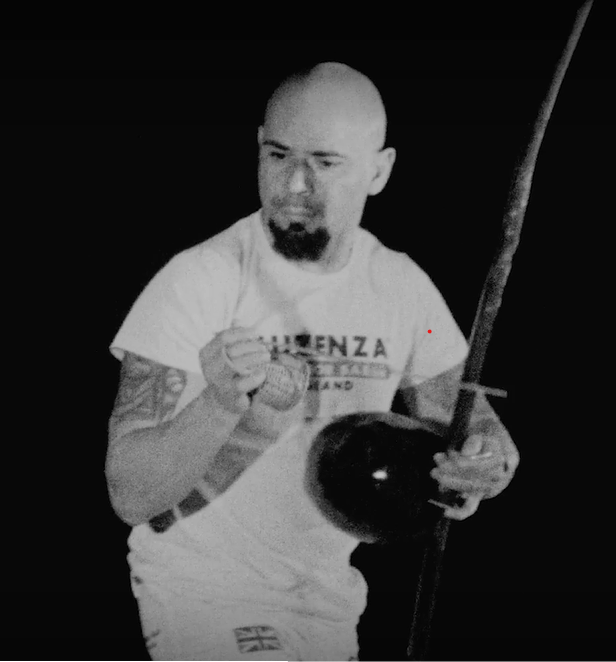
Capoeira Muzenza UK brings the spirit of Afro-Brazilian culture to Woolwich, led by Contramestre Saruê.
Capoeira is an Afro-Brazilian martial art that blends fight, dance, music, and culture. It was developed by enslaved Africans in Brazil as a form of resistance, self-defense, and freedom of expression. Disguised as dance to preserve it under oppression, Capoeira evolved into a powerful art of movement, strategy, rhythm, and community.
Today, Capoeira is practiced worldwide, preserving its traditions through the roda (circle), live music, call-and-response songs, and respectful dialogue between players. It builds strength, agility, awareness, discipline, and cultural connection while celebrating history and resilience
History / Muzenza Group & Mestre Burguês
Founding and Leadership
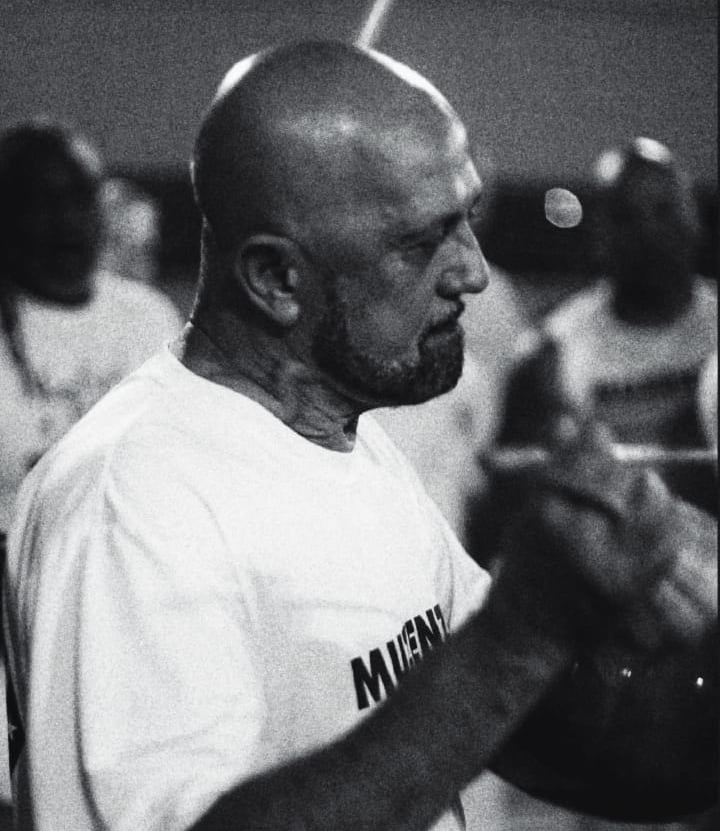
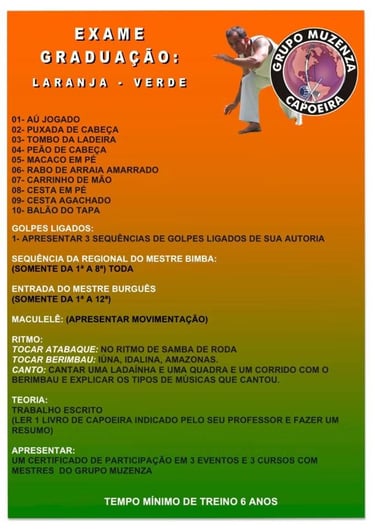
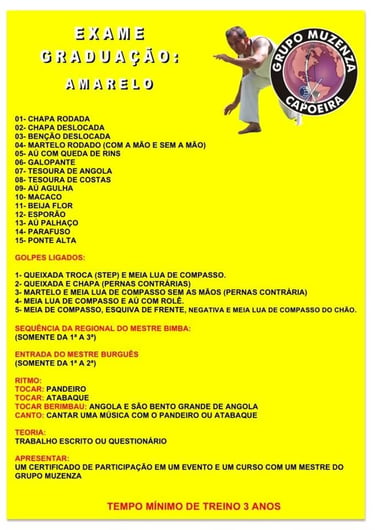
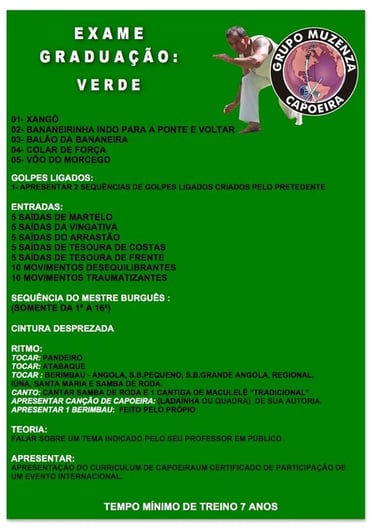
Grupo Muzenza was founded in May 1972 by Mestre Paulão in Rio de Janeiro. In 1975, leadership passed to Antonio Carlos de Menezes, known as Mestre Burguês, who relocated the headquarters to Curitiba. Under his direction, the group evolved from a local school into an international powerhouse, now present in over 20 countries and nearly every Brazilian state.
Philosophy and Global Impact
Muzenza is renowned for its technical discipline, balancing the rhythmic strategy of Capoeira Angola with the explosive agility of Capoeira Regional. Mestre Burguês has been instrumental in professionalizing the art, co-founding the Brazilian Capoeira Confederation and producing over 20 albums of capoeira music. His work ensures that the group functions as both a rigorous martial art and a vehicle for preserving Afro-Brazilian cultural history.
History / Music & Instruments
Bateria
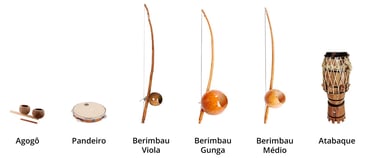
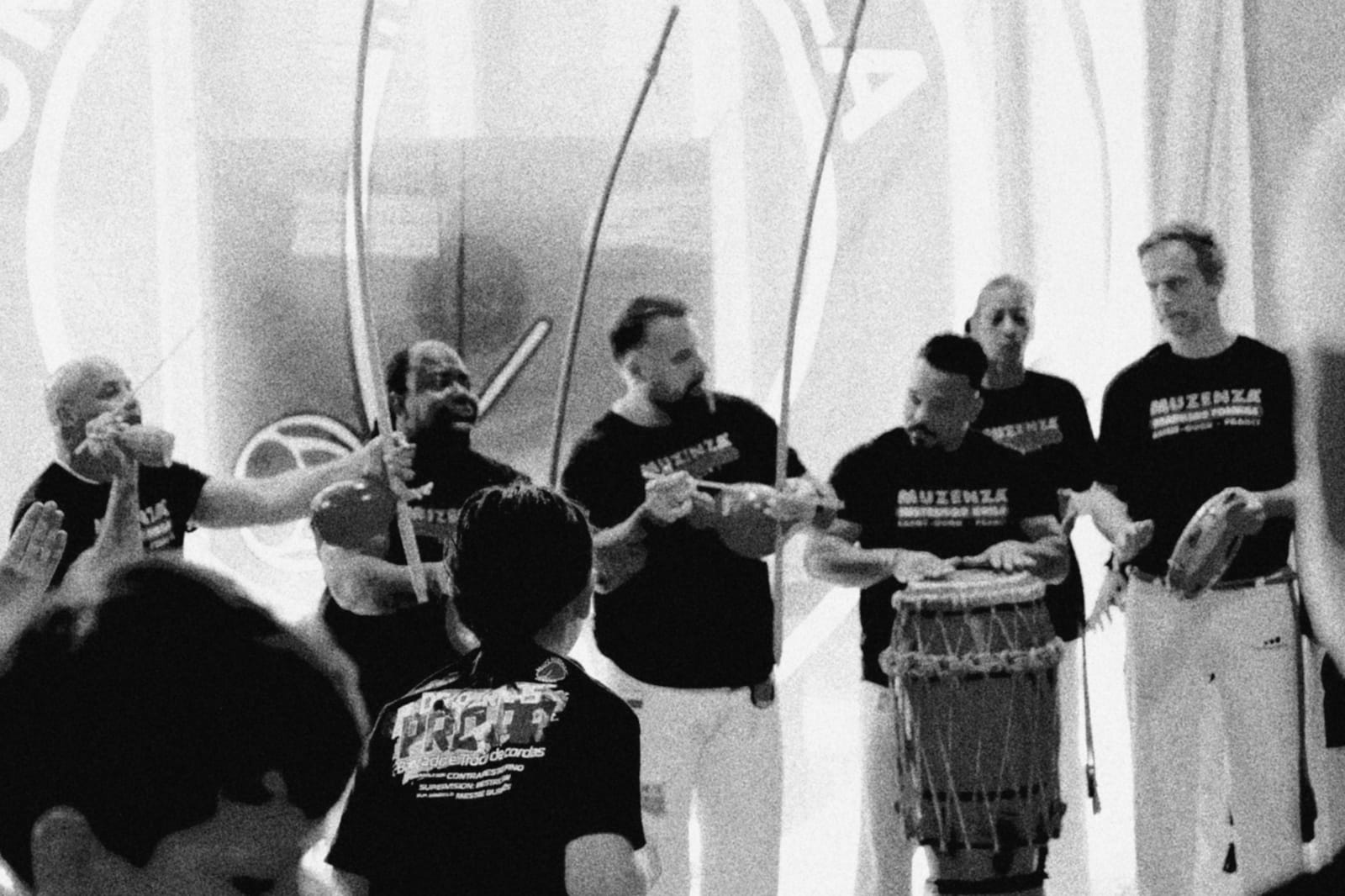
An ensemble of instruments that provide the rhythmic foundation for the game. The bateria sets the pace, energy, and mood of the roda, guiding both the movements of the players and the singing of the chorus.
A traditional capoeira bateria is typically composed of berimbaus (which lead the rhythm), atabaque, pandeiro, and sometimes agogô or reco-reco. Each instrument plays a specific role in shaping the dynamic flow of the game.
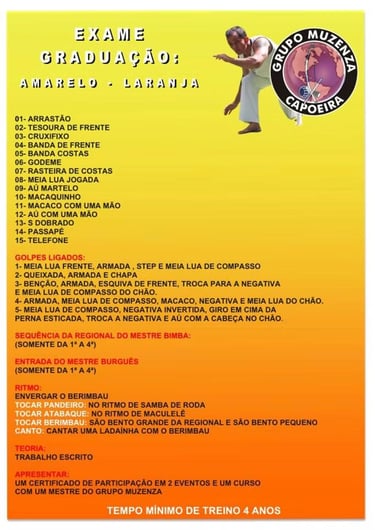
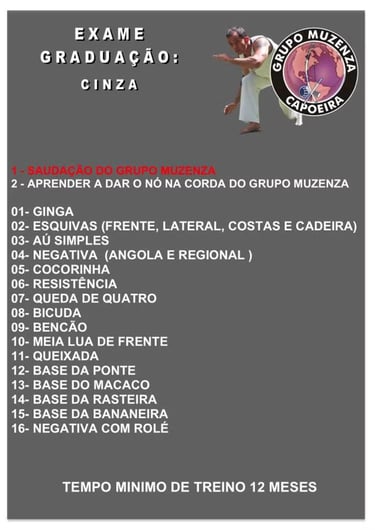
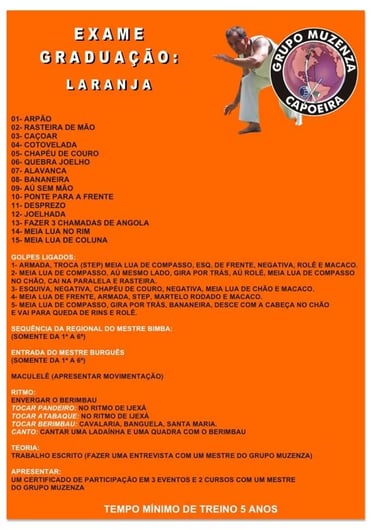
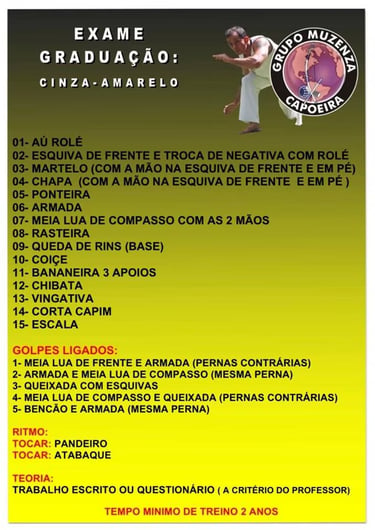
History / Cords & Graduation
Get in touch
Address
Weekdays: Building 40, 1 Artillery Square, Woolwich Works, SE18 6BH
Weekends: 10d Woolwich Church St, London SE18 5PQ
Contact US
074 4788 7300
capoeirafirststepuk@outlook.com
© 2026 Capoeira Muzenza UK. All Rights Reserved.